
#TrendSpotting: The Cloud Effect
Consumers are chasing a particular kind of texture: light, airy, whipped. The word “cloud” just happens to be what the culture reached for to describe it.
Beyond the Trend: Imbibe’s Isabel Mirfakhraie on Where Functional Mushrooms Are Headed
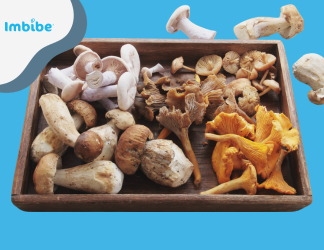
Beverage Industry spoke with Imbibe’s technical marketing associate for a roundup on where mushroom-forward beverages are headed next.
Imbibe’s Flavor Trends Research Featured in Food Business News
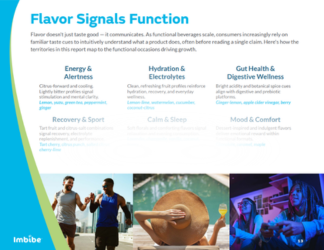
Food Business News highlighted the trend data behind territories like swicy and newstalgia, and explored how hybrid flavor pairings are helping brands introduce unfamiliar flavors in more approachable ways.
Candy-inspired Flavors are Reshaping Functional Beverages
There’s a reason blue raspberry still stops people in their tracks. And the ability to drop a consumer back into one of those moments turns out to be one of the most powerful tools a brand has right now.
Decoding Flavor: Imbibe’s Lauren Senne on Taste Modulation, Bitter Blockers, and What It Really Takes to Formulate Great Beverages

Taste modulation is its own discipline. Maskers and bitter blockers aren’t the same thing — bitter blockers work at the receptor level, physically blocking the signal, while maskers shift the overall flavor system.
What’s Driving Flavor in 2027 — And What It Means for Beverage Innovation
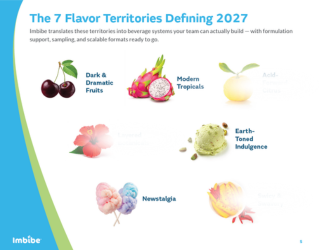
Explore Imbibe’s 2027 Flavor Trends report and discover how formulation complexity, functional ingredients, and evolving consumer expectations are changing the role of flavor in beverage innovation.
Why Relaxation Beverages Require a Different Flavor Strategy
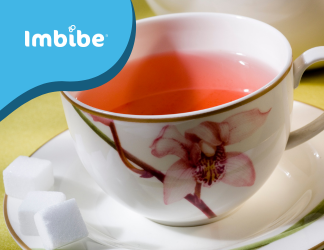
Ingredients commonly associated with calm and relaxation — including ashwagandha, magnesium, valerian root, reishi, l-theanine, and other botanicals — can introduce earthy, woody, bitter, savory, sulfurous, or lingering off-notes.
Masking Isn’t the Solution—It’s One Part of It

Considerations like format, processing, shelf life, and label constraints all influence how a solution performs in the final product. What works in one system may not translate directly to another.
Why Natural Color Reformulation Requires More Than a Color Swap
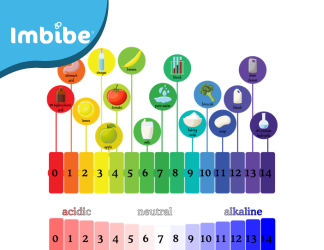
Switching to natural colors affects more than appearance. Learn how natural pigments interact with flavor, pH, and formulation—and why many R&D teams rely on formulation partners during reformulation.
Indulgent Flavors Are Evolving—And Consumers Are All In
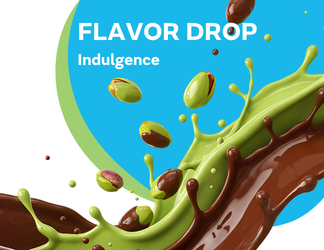
Indulgence isn’t just about decadence. It’s about delivering moments of reward, comfort, and sensory satisfaction in formats that fit into daily life.