The beverage landscape is evolving, so understanding these shifts in attitudes and alcohol consumption is critical for staying ahead. Imbibe’s recent “Shifting Drinking Habits” survey of 500 alcohol purchasers aged 21+ offers a data-driven look at where consumer preferences are headed—and where the biggest opportunities lie for brands ready to act.
Key Consumption Trends: Familiar Favorites, Subtle Shifts
The survey reveals that just over half of respondents are weekly drinkers, with beer (65.6%) and wine (64.6%) leading the charge, followed by cocktails and liquor. Beer remains the most common drink of choice, but the market is far from static. Notably, 23% of respondents plan to drink less in 2025, while only 6.8% anticipate drinking more—signaling a slow but steady shift toward moderation.
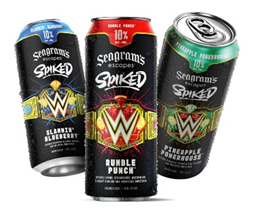
2025 Alcohol Market Activity:
Moderation on the Rise: Opportunity in Non-Alc
Consumers are increasingly conscious of their alcohol intake. The most popular moderation strategies include simply having fewer drinks per occasion (50.6%) and reducing the number of drinking occasions (36.2%). Importantly, nearly 30% are replacing alcohol with non-alcoholic beverages, and those who do so report high satisfaction—88% are satisfied or very satisfied with their choices.
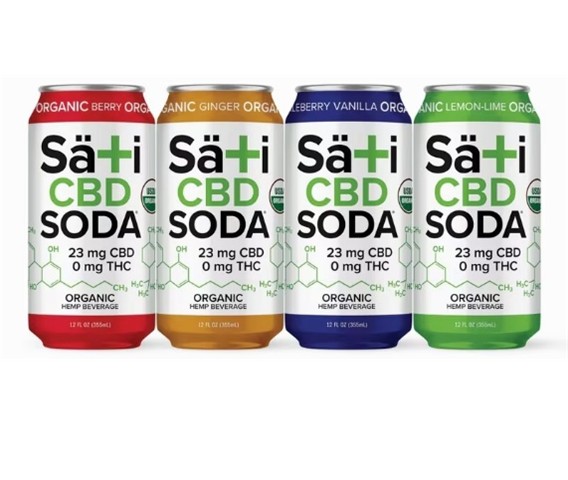
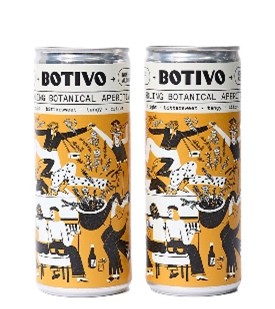
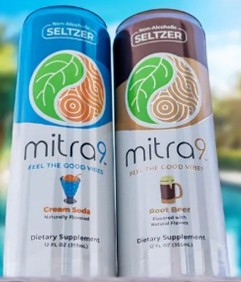
For CPG brands, this is a clear signal: the demand for non-alcoholic alternatives is real, but the bar for satisfaction is high. Water, coffee/tea, juice, and sparkling water top the list of alcohol replacements, while mocktails and better-for-you sodas are still niche but growing.
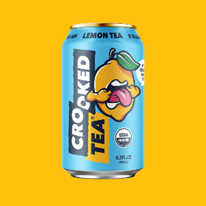
2025 Non-Alcoholic Market Activity:
Apply it to Your Brand:
- The moderation trend is real and growing—ignore it at your peril.
- Consumers want more than just “not alcohol”—they seek complex flavors, functional benefits, and a sense of occasion.
- Rapid prototyping, cross-functional collaboration, and leveraging external expertise can accelerate your response to these trends.
Ready to translate these insights into your next beverage breakthrough? To schedule a presentation that offers a deeper dive into shifting drinking behaviors, email us at marketing@imbibeinc.com. If you’re ready to kick off your next project, Imbibe’s team of experts is here to help you bridge the gap between consumer desire and product reality—let’s co-create the future of drinking, together.