Imbibe will be closed on October 3, 4, 17, 18, 25, and 26. Please expect delays in responses during this time.

The 4 best soda makers we tested in 2021

In the last few years, seltzer has become more than just a beverage — it’s become a way of life. From fan-favorite La Croix to Sanzo, which was founded by a Filipino-American entrepreneur and focuses on Asian flavors like calamansi, to the well-hyped Travis Scott-endorsed hard seltzer, we just love the fizzy stuff. But keeping a fridge stocked with seltzer can both add up in cost and take up a lot of space, so investing in a soda maker might be the solution.

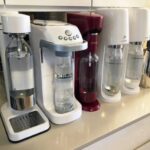
Soda makers work by injecting CO2 into a liquid. Some machines want you to stick to plain water and add flavorings after the fact, while others allow you to carbonate beverages like juice, tea, and wine.

How does carbonation work?

I spoke with beverage scientist Adam Johnson of Imbibe, and he explained that carbonation is simply the suspension of carbon dioxide gas in a liquid. A soda maker forces a concentrated stream of gas into water to create soda.

Johnson explained that we find carbonated beverages so appealing because it actually causes us a very low-level pain. Think of it like enjoying a hot sauce or spicy food. “You get a little bit of a body response to the spicy food, but people like it,” he said. “It might just be kind of that, um, you know, people like pushing their body to certain limits. This is just a very, very low-end pain that people enjoy.”

Read the full article on Business Insider.
Keep Reading:

Are You Ready for the Shift to Natural Food Colors?

For many, readiness depends less on regulatory intent and more on practical realities like formulation stability, flavor impact, cost targets, or supply chain constraints. How ready is your team? Take a two-minute assessment to find out!
READ MORE

FDA Takes a New Approach to “No Artificial Colors”: What Food & Beverage Teams Need to Know in 2026

The headline is clear: the FDA is actively facilitating the transition away from petroleum-based synthetic dyes. What’s less clear is what this means in practice—and how ready most teams actually are to act on it.
READ MORE

Beyond Protein: Why Fiber Is the Next Formulation Opportunity for Food & Beverage Brands

The market is moving beyond protein. Fiber is the next major formulation opportunity for food and beverage brands aiming to lead the gut health revolution and capture the next wave of consumer wellness.
READ MORE

Notice: Holiday Closure

Imbibe will be closed April 2, 3, 8, and 9. Please expect some delays in our response during these dates.

Privacy Overview

This website uses cookies so that we can provide you with the best user experience possible. Cookie information is stored in your browser and performs functions such as recognising you when you return to our website and helping our team to understand which sections of the website you find most interesting and useful.